

Category: DR.SPEAKS

DR.SPEAKSyour info corner

Mental Health: A Universal Right – Ending Discrimination and Promoting Well-being

Ankita (name changed), a vibrant 25-year-old girl was looking forward to her life and career. However, her world crumbled when she lost a beloved family member, plunging her into the abyss of depression. In the depths of despair, she attempted suicide but was rescued just in time.

As Ankita embarked on her journey to recovery, she encountered the harsh reality of stigma. Employers were skeptical of her abilities, fearing she cannot handle pressure of work. Health insurance denied her coverage, citing attempted suicide as an exclusion. Friends and acquaintances treated her with an uncomfortable distance, reinforcing the isolating stigma surrounding mental health. Determined not to be defined by her struggle, with treatment and therapy, Ankita embraced her vulnerability as strength. Supportive friends saw her true worth beyond her struggles and she proved her resilience at her work place.

Ankita’s story reminds us that mental health challenges are part of the human experience. It’s essential to seek help without shame and break free from stigma.

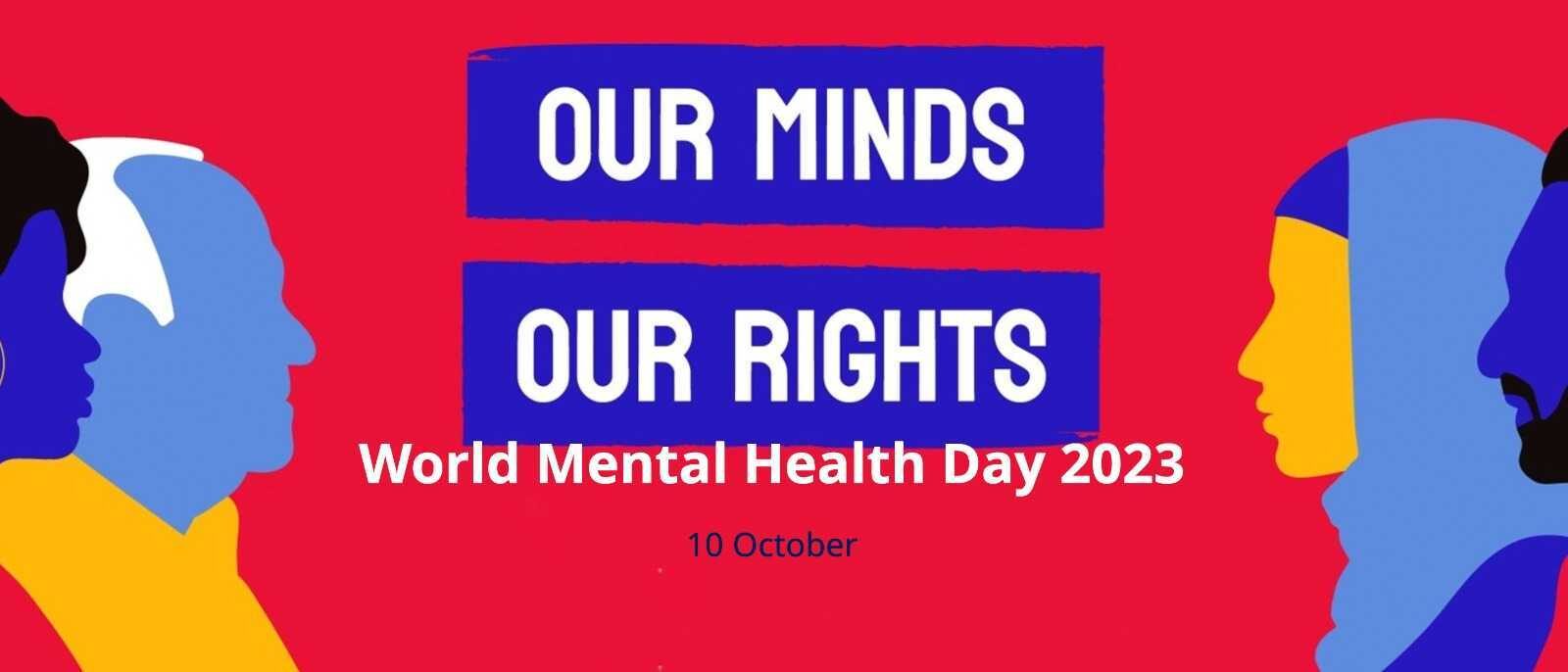
On this Mental Health Day the theme for this year, “Mental Health: A Universal Right,” underscores the undeniable truth that mental well-being is an essential human right that must be safeguarded and protected. Despite growing awareness, the world continues to grapple with the problem of mental health issues, which are often shrouded in stigma and discrimination.

Discrimination can manifest in various ways, from subtle bias to overt exclusion. In workplaces, individuals with mental health conditions may be unfairly judged, passed over for promotions, or even terminated because of their condition. In society at large, the stigma associated with mental illness persists, preventing individuals from seeking help when they need it most. Friends, family, and communities may shun those who are open about their mental health issues, leading to isolation and further deterioration of their well-being.

Another alarming aspect of the mental health crisis is the inequity in mental health insurance coverage. Often, important mental health conditions such as self-harm, substance use disorders, and chronic psychiatric conditions are either partially covered or denied coverage altogether.

Addressing Stigma and Discrimination

To make mental health a universal right, we must confront and combat the stigma and discrimination that persist. Here are some ways we can work together to achieve this:

1. Education and Awareness: Encourage open conversations about mental health to educate society about the realities of mental illness. Dispelling myths and misconceptions is essential in reducing stigma.

2. Supportive Work Environments: Employers can play a crucial role by fostering inclusive workplaces that prioritize mental well-being. Implement policies that provide mental health resources, support, and accommodation for employees.

3. Accessible Mental Health Services: Governments and organizations should work together to ensure affordable, accessible, and quality mental health services for everyone. This includes mental health insurance coverage for all conditions, without discrimination.

4. Empathy and Compassion: Show empathy and compassion to individuals struggling with mental health issues. By offering support and understanding, we can help reduce the isolation they often feel.

A Call to Action

Mental health is not a privilege for the few; it is a universal right for all. This Mental Health Day in 2023, let us unite in our commitment to ending discrimination against those with mental health conditions. By working together to eliminate stigma, let us create a world where mental well-being is cherished and protected.
DR.SPEAKS

20 ways to care for your mental health in the COVID times

  1. Be Regular with your sleep habits
  2. Take care of your physical health – ‘Healthy mind resides in a healthy body’
  3. Regular exercise releases ‘Happy Hormones’ in your brain
  4. Be mindful of your eating habits
  5. Avoid binging on food. It may be a sign of underlying stress
  6. Use substances in moderation. Never as a stress buster
  7. If you think you cannot control your substance use – Seek Help!
  8. Work is not worship! Remember to ‘switch off’ outside your office
  9. Like exercise your mind also needs constructive activities. Give yourself new experiences
  10. Devote at least 2 hours a week to your passion that makes you truly happy
  11. Be mindful of your thoughts and feelings. Negativity hurts you and others around you
  12. Judge others by their intentions and not their actions
  13. Temper your expectations from others. What you cannot control hurts you the most
  14. Best way to deal with stress is to anticipate it. Be prepared
  15. Manage your time effectively
  16. Show gratitude to others. Be grateful for what life has given you
  17. Don’t bottle up your angst. Share your thoughts and feelings with those close to you
  18. Listen to people around you. Maybe they need your help
  19. Take a conscious effort to reduce your use of gadgets
  20. Make time for your family and friends. They make your life what it is!
DR.SPEAKS

Mental health – A silent pandemic

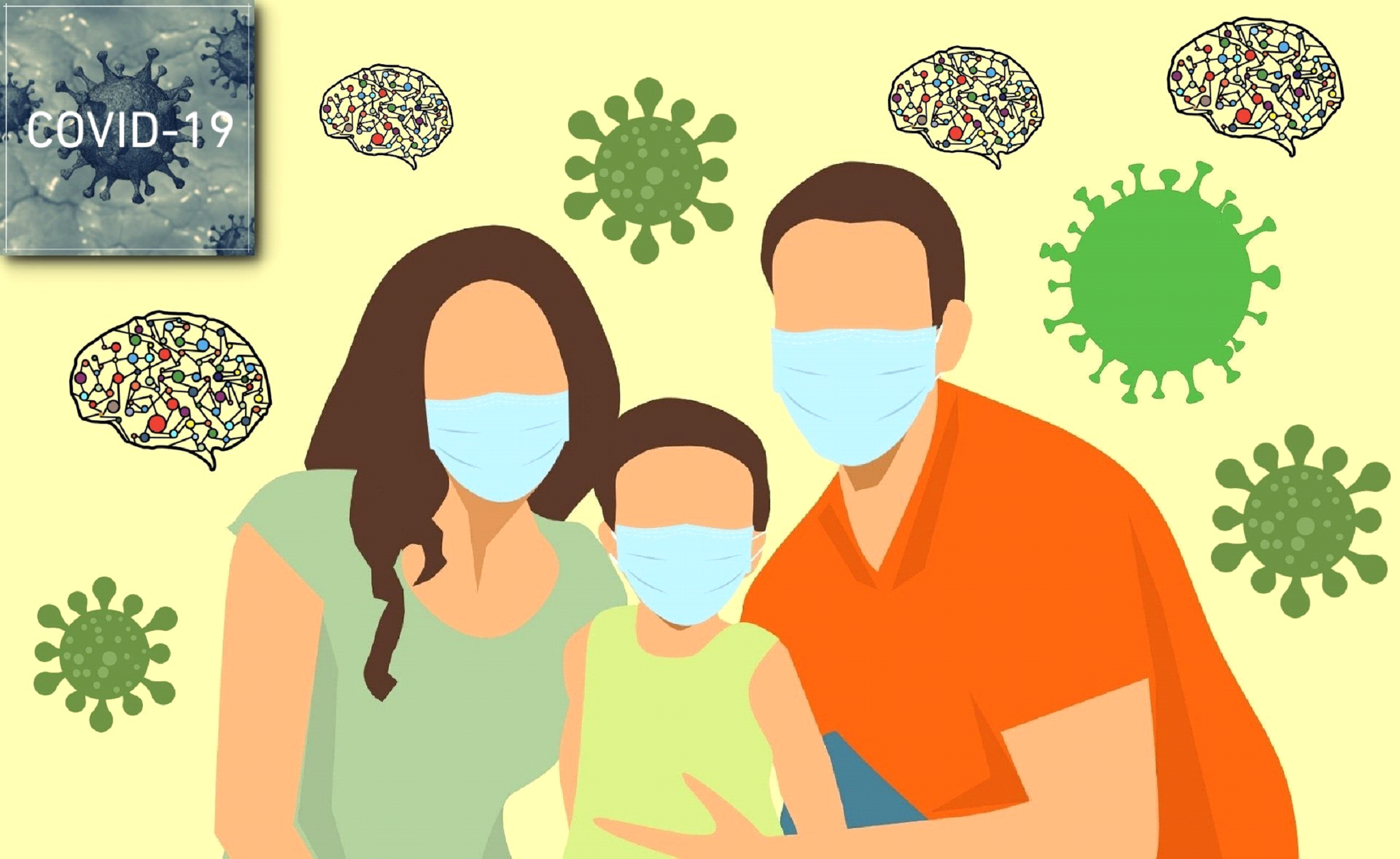
The whole world is in the midst of the COVID-19 pandemic. It has brought countries to a standstill and has stirred up the whole health care infrastructure into action in a matter of a few months. In contrast, a silent pandemic has been forever raging globally and in India. This is the pandemic of suicide and depression. It is estimated that 15% of India’s population i.e around 150 million people will experience depression in their lifetime. Annually around 200,000 people commit suicide in India. Many of them in the young age of 15-35 years. And unlike a viral pandemic which is a time limited event; the mental health pandemic has always been around us.

The approaches to these infectious pandemics include – Test, Trace and Isolate. An active approach to go after the virus and contain the spread. The mental health pandemic needs a different approach of spreading compassion and empathy, to reduce the stigma surrounding mental health. The mental health pandemic does not need ‘social distancing’ but ‘social openness’. Provide an enabling environment where a person with mental distress can feel comfortable and reach out for help. Ask and Listen, Talk and Express, Share and Care.

An immediate threat such as a viral infection seems more daunting and galvanises the whole public health machinery. No doubt the world needs to come together to fight COVID-19 and overcome it we shall. Let us fight the new virus in town but can we show the same resolve, galvanise the same resources, gear the public health machinery to fight a much larger silent epidemic?

⦁ Dr Rishikesh V. Behere
⦁ Consultant Psychiatrist, Manoshanti Pune

DR.SPEAKS

Our personality and mental health – The secret to wellbeing

The science of wellbeing is intertwined with our personality which determine how we
interact with the environment. One of the strong factor about wellbeing stems from
one’s personality style. When we look at personality, it is strongly biological (which
means we have certain style of personality by birth) and there is a constant
interaction with the people around us and the situations which shapes our
personality.
Personality is the consistent pattern of thinking, feeling and behavior over a period of
time, while our ‘Mind’ is the face of our personality! Each individual has a unique
personality just as how our face is unique to each individual. Its shapes during our
childhood and adolescent period and becomes constant when we become adults.
We are not born with all the skills to navigate the ups and downs of life and our
personality factors determine how well we adapt and learn while we live through our
lives. It is very important to understand one’s own strength and limitations and to
learn to adapt to situations within the limits of our personality. As the famous saying
goes “One man’s meat is another man’s poison!”. Hence do not try to ape other
people. Be comfortable with who you are as a person and you will find that once you
accept this fact you will be able to modulate your thoughts and feelings better to your
advantage. This a key secret to achieving emotional well being.

– Dr. Girish Babu N.
– Associate Professor of Psychiatry, SDM Medical College, Dharwad

DR.SPEAKS

Why is mental health important?

The World Health Organization defines health as “A state of complete physical,
mental and social well-being and not merely the absence of disease or
infirmity” and there can be no health without mental health. Yet when we go for a
health check up we are are only concerned about our BP,  sugar and cholesterol
levels. If they are normal we think we are healthy.
But have you ever paused to think “How stressed am I?”’ “Am I sleeping well?”, “Am
I happy with my life?”, “Do I feel irritated easily and snap at people more?”, “Which
way are my personal relationships headed?”, “Do I get a sense of relief if I smoke or
consume alcohol or pop sleeping pills?”, “Do exams and deadlines give you
nightmares?” Your answers to these questions may make you pause and rethink!
Mental health is essentially defined by 3 components – the way you think (thoughts),
the way you feel (emotions) and the way you behave (behavior) and these need to
be in perfect sync with your physical health for you to perform effectively and
efficiently as an individual. A disturbance in any one of them can disturb the sync
and seriously undermine your efficiency as an individual.
If you want to be healthy it is equally important to care for your mental health

as well!

– Dr Rishikesh V. Behere
– Consultant Psychiatrist, Manoshanti Pune